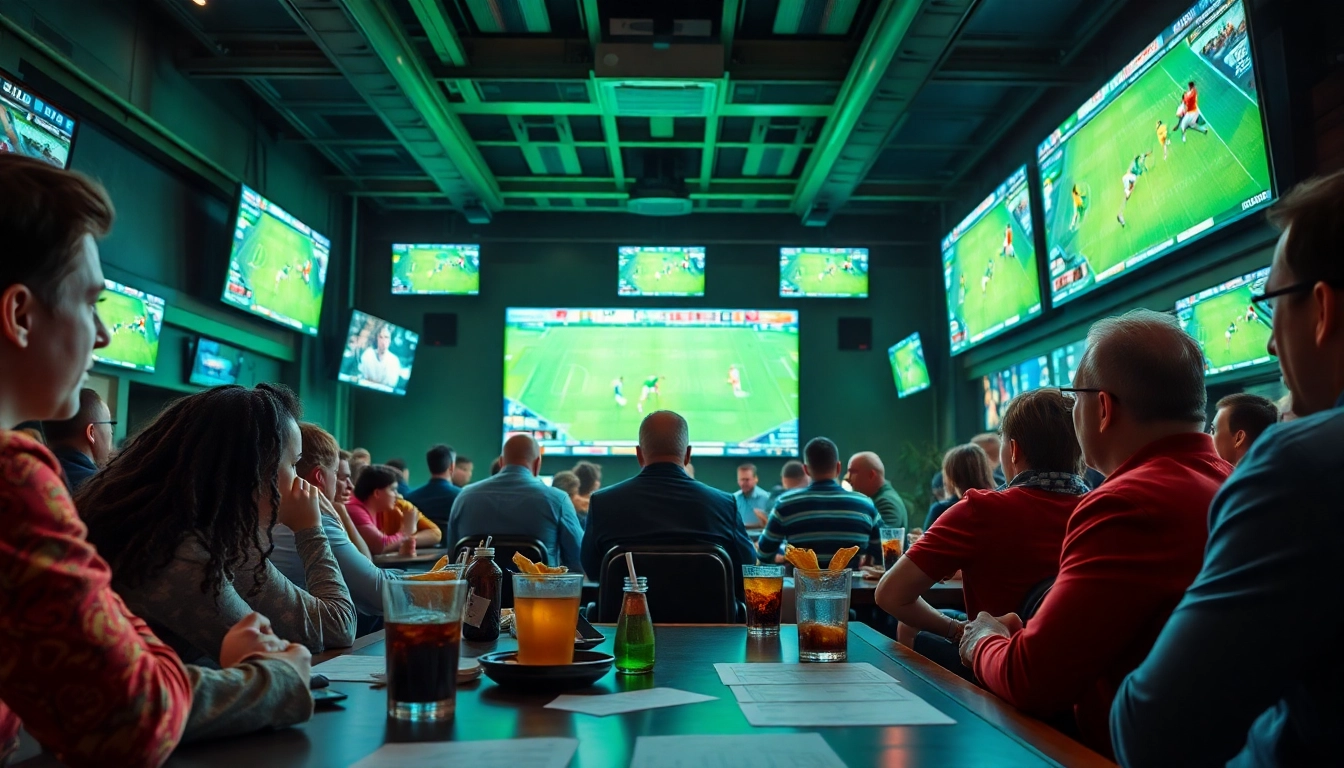
Understanding the Basics of Sports Broadcasting
Defining Sports Broadcasting
Sports Broadcasting is a comprehensive communication medium that involves the transmission of live or recorded sports events to audiences through various platforms. It encompasses a wide array of formats, including television, radio, and online streaming services. Understanding Sports Broadcasting is critical as it combines entertainment, information dissemination, and audience engagement. Stakeholders in this field must be adept at presenting sports content in an engaging way that resonates with diverse viewer demographics.
The Role of Technology in Sports Broadcasting
Technological advancements have revolutionized Sports Broadcasting, enhancing not only the production quality but also the viewer experience. The use of high-definition cameras, automated analytics tools, and streaming technology has transformed how audiences consume sports content. Innovations such as augmented reality (AR) and virtual reality (VR) are also gaining traction, allowing fans to experience games in immersive ways. Sports Broadcasting today relies heavily on technology to ensure seamless transmission and engagement.
Key Components of a Sports Broadcast
A successful sports broadcast is structured around several fundamental components:
- Commentary: Provides play-by-play updates and insights, keeping viewers informed.
- Production Crew: Includes directors, producers, and technical staff who manage the broadcast.
- Graphics and Statistics: Present key game statistics and visual enhancements during the broadcast.
- Viewer Interaction: Engages the audience through social media, polls, and interactive content.
The Evolution of Sports Broadcasting
Historical Perspectives on Sports Broadcasting
The history of Sports Broadcasting traces back to the early 20th century when radio became the first medium to broadcast live sports. The initial forays were modest, limited to play-by-play updates of significant matches. With the invention of television, the sports broadcasting landscape underwent a significant transformation, offering visual experiences that radio could not. Over the decades, the rise of cable TV, satellite broadcasts, and the internet introduced new dimensions, expanding audience reach and accessibility.
Impact of Digital Media on Sports Broadcasting
The advent of digital media has fundamentally reshaped the approach to Sports Broadcasting. Digital platforms allow fans to watch games on demand, providing a level of flexibility that traditional broadcasts cannot offer. Moreover, streaming services have gained significant market share, directly challenging cable networks. The integration of social media as a complementary tool has enabled broadcasters to enhance viewer engagement by offering live updates, behind-the-scenes content, and direct interaction with fans.
Emerging Trends in Sports Broadcasting
Several emerging trends are shaping the future of Sports Broadcasting:
- Personalized Content: Tailoring content to specific demographics using data analytics.
- Esports Coverage: Integrating esports events into traditional sports broadcasting models.
- Mobile Streaming: Catering to the increasing number of viewers who prefer mobile devices.
- Blockchain Technology: Utilizing blockchain for secure transactions and digital rights management.
Best Practices for Effective Sports Broadcasting
Preparation and Planning for Broadcasts
Effective Sports Broadcasting necessitates thorough preparation and strategic planning. Key considerations include understanding the audience, aligning with current trends, and assembling a skilled production team. Pre-broadcast meetings, script development, and rehearsals help to ensure that the broadcast flows smoothly. Additionally, creating a contingency plan for technical difficulties is essential to maintain professionalism during live events.
Engaging with the Audience During Broadcasts
Engagement is paramount in the highly competitive landscape of Sports Broadcasting. Broadcasters should utilize interactive elements like live polls, Q&A sessions, and social media shout-outs to create a two-way dialogue with the audience. These strategies not only keep fans engaged but also foster a sense of community among viewers. Engaging storytelling can also captivate the audience; sharing player backstories or highlighting significant moments enhances viewer connection.
Utilizing Social Media for Enhanced Reach
Social media platforms serve as powerful tools for amplifying the reach of Sports Broadcasting. Creating shareable content, behind-the-scenes exclusives, and real-time updates can attract new viewers and keep existing fans engaged. Additionally, collaborations with influencers in the sports domain can extend audience reach. Integrating these strategies into a comprehensive social media marketing plan allows broadcasters to enhance visibility and foster deeper connections with their audience.
Challenges in the Sports Broadcasting Industry
Regulatory Issues in Sports Broadcasting
The sports broadcasting industry faces a myriad of regulatory challenges, particularly concerning content rights and licensing. Broadcasters must navigate complex copyright issues while adhering to community standards and regulations. These challenges emphasize the importance of maintaining compliance in order to avoid potential legal disputes or financial losses. Staying informed on evolving regulations is essential for any broadcaster aiming to sustain successful operations.
Maintaining Quality and Integrity in Broadcasting
As audiences become increasingly discerning, maintaining quality and integrity within Sports Broadcasting is paramount. Broadcasters must ensure accurate reporting, avoid sensationalism, and uphold ethical standards. Providing a fair portrayal of events builds trust with audiences and enhances a broadcaster’s reputation. Regular training and workshops for commentators and production teams can help reinforce these values.
Adapting to Changing Viewer Preferences
With changing viewer preferences driven by technology and lifestyle changes, sports broadcasters must remain agile and responsive. The shift towards on-demand content, mobile consumption, and multi-platform viewing habits poses both a challenge and an opportunity for broadcasters. Adapting content delivery methods, timelines, and engagement strategies can enhance relevance and appeal to modern audiences. Conducting regular audience surveys to gauge preferences can provide valuable insights for refining broadcasting strategies.
Metrics for Evaluating Sports Broadcasting Success
Key Performance Indicators in Sports Broadcasting
Evaluating the success of a sports broadcast involves analyzing several Key Performance Indicators (KPIs). Common metrics include viewership ratings, audience reach, engagement rates on social media, and subscription growth for digital platforms. Understanding these metrics helps broadcasters assess performance, identify strengths and weaknesses, and make data-informed decisions that align with audience preferences.
Gathering Audience Feedback
Audience feedback is crucial in gauging how well a sports broadcast resonates with viewers. Techniques such as surveys, focus groups, and social media listening can provide insights into audience satisfaction and areas for improvement. Engaging with viewers post-event encourages constructive feedback, which can be invaluable for future broadcasts. Actively showcasing that feedback has been implemented can build loyalty and trust within the audience.
Analyzing Trends and Insights for Improvement
Trend analysis is key to ensuring ongoing improvement in Sports Broadcasting. Observing patterns in viewership, audience demographics, and engagement metrics can offer valuable insights into what captivates audiences. This data can be leveraged to refine content strategies, enhance programming decisions, and tailor marketing efforts. Maintaining an adaptive approach to broadcasting will keep content relevant and engaging as audience preferences evolve over time.
Frequently Asked Questions About Sports Broadcasting
What is Sports Broadcasting?
Sports Broadcasting involves delivering live or recorded sports events to audiences via television, radio, or online platforms, combining commentary, analytics, and viewer engagement.
How has technology impacted Sports Broadcasting?
Technology has enhanced production quality and viewer experiences through high-definition visuals, streaming services, and interactive elements like augmented reality.
What are the main challenges in Sports Broadcasting?
Challenges include regulatory compliance, maintaining broadcast quality, and adapting to rapidly changing viewer preferences and technologies.
How can social media be used in Sports Broadcasting?
Social media can enhance broadcasting reach by creating shareable content, interacting live with audiences, and providing real-time updates during events.
What metrics are essential for evaluating Sports Broadcasting success?
Key metrics include viewership ratings, audience engagement rates, subscription growth, and audience feedback, which help assess performance and guide improvements.